
Become the obvious choice in 10 seconds.
5.0★ Google Reviews | Since 2005



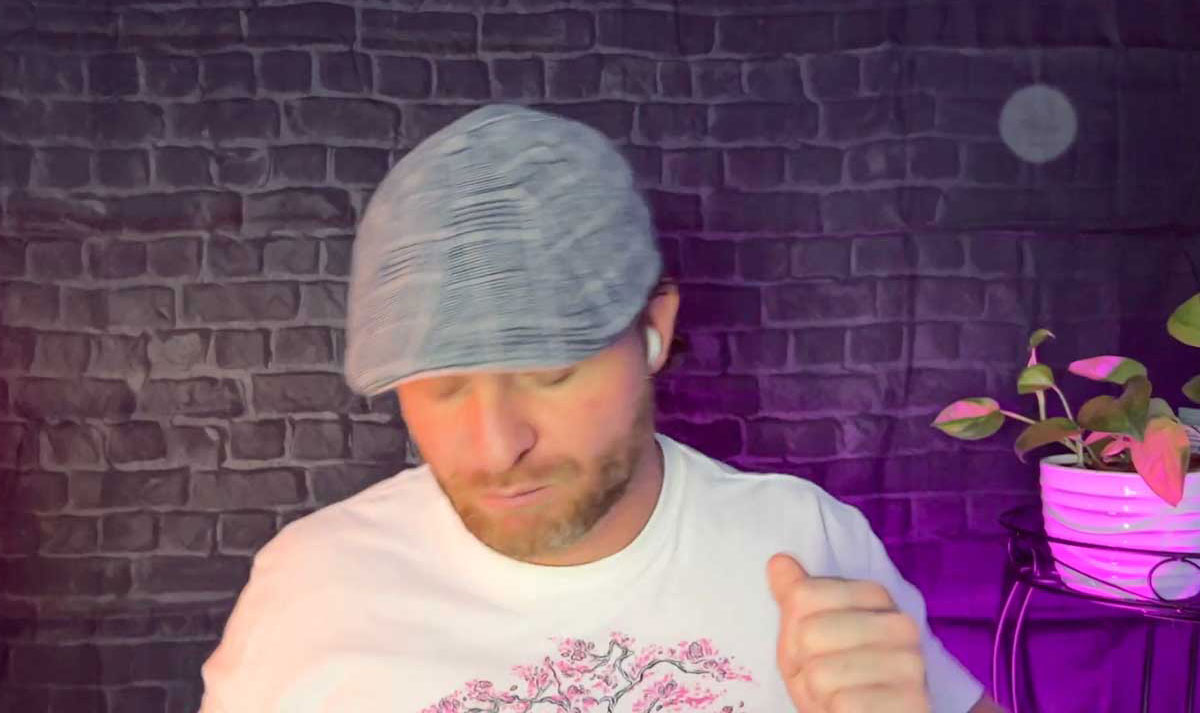
Hello, I’m Chris.
I’m a web designer who’s built and sold businesses of his own.
Your business may already do excellent work.
Your website should make that obvious.
I’ve been responsible for winning customers, watching the numbers, and standing behind my name. I know how much a business owner’s reputation matters. That’s the perspective I bring to every website I build.
I was raised in the Midwest to work hard, keep my word, and respect people’s time. I still believe that’s the right way to do business.
You have a business to run. Your website shouldn’t become another job.
Give me the essentials. I’ll bring the judgment, the design, and the follow-through. You’ll know what’s happening, what comes next, and who’s responsible. Me.
No outsourcing. No chasing updates.
Selected brands I have worked with.


Most Recent Project
Recent build below. Built to convert, not just look good.

Score: 98 Performance | 100 SEO | Speed Index 1.1s
Built to turn LinkedIn leads into clients:
- Conversion-first layout + clear CTA
- Proof placed where doubt spikes
- Speed-focused, lean stack
- WordPress custom build
- Tier 2: Momentum package
Good Work Should Not Look Ordinary
“Our old site made us look cheaper than we are. The new site finally matches the quality of our work and it’s helped us attract better paying clients. Now, we’re proud to send people to our site. Goodbye mediocre.”
— Jason Rutherford
Clarity Is the Competitive Advantage
People do not study a new site. They scan it.
In the first few seconds, they’re trying to answer three questions:
01
What do you do?
Your offer should make sense without making people work for it.
02
Can I trust you?
Strong design, proof, positioning, and polish should make your business feel legitimate fast.
03
What do I do next?
Every important page should make the next step obvious.
My job is to make those answers immediate. I combine clear messaging, disciplined design, strong proof, fast mobile performance, and obvious calls to action so the right visitor can understand you, trust you, and move forward.
Minimalism isn’t less design. It’s less confusion.
Good Design Should Earn Its Keep
Your customers don’t owe us their attention. We have to earn it.
I don’t add pages, effects, or clever copy just because I can. Every part of the website needs a reason to be there. If it isn’t helping, it’s gone.
Choose the Right Build
From a sharp, credible foundation to a complete brand and website system. Start where your business is now. Build from there.

Custom multi-page websites start at $2,500.
If you’re planning to invest $2,500 to $7,500, let’s put the money where it matters. I’ll tell you what your site needs now, what can wait, and what isn’t worth paying for.
You’ll have the scope, timeline, and price in writing before we start.
FOUNDATION
Professional Web Presence
A clean, credible website that gets the fundamentals right.
Best for: Businesses that need to look established, explain what they do clearly, and give customers an obvious next step.
Includes
- 3–5 core pages
- Mobile-first custom design
- Clear messaging and page hierarchy
- Speed, security, and foundational SEO
- Contact forms and analytics
Best if: Your current site is outdated, confusing, or nonexistent and you need a professional foundation without overbuilding.
★ Most Popular ★
MOMENTUM
Conversion-Focused Growth Site
Everything in Foundation, built with more strategy, proof, and persuasion.
Best for: Businesses that want their website to do more than look credible. They want it to actively help generate opportunities.
Includes
- Everything in Foundation
- Deeper messaging and positioning
- Conversion-focused page structure
- Stronger proof and trust signals
- Lead-capture strategy
- More strategic calls to action
- Expanded pages and functionality as needed
Best if: Your website needs to become a legitimate growth asset, not just an online brochure.
FLAGSHIP
Complete Brand + Website System
A deeper engagement for businesses ready to sharpen the entire way they show up.
Best for: Established businesses, repositioning projects, major launches, or brands that have outgrown their current identity.
Includes
- Everything in Momentum
- Brand positioning and messaging strategy
- Expanded visual direction
- Advanced site architecture
- Deeper content and conversion strategy
- Custom functionality as needed
- A scalable system built for future growth
Best if: The problem is bigger than the website. Your positioning, messaging, brand, and digital presence all need to work together.
Not sure where you fit?
Start with Momentum. I’ll tell you honestly if you need more, less, or something completely different.
5.0★ Google Reviews | 700+ builds | 20+ yrs | No outsourcing
IN A  WORLD FULL OF NOISE, I HELP BRANDS
  STAND OUT WITH CLEAR IDEAS AND
  GOOD DESIGN THAT MAKE AN
  IMPACT.


10-Second Yes Method
Minimalism isn’t “less design.” It’s less confusion.
In the first 10 seconds, people aren’t reading. They’re scanning for:
(1) What is this? (2) Can I trust it? (3) What do I do next?

1) UX → The Path
Visitors immediately understand where they are, what you offer, and what to do next.
2) UI → The Look
Typography, spacing, contrast, and color make the business feel trustworthy.
3) Build → The Engine
A lean, fast website creates fewer breaking points and makes future updates easier.
If it does not move someone closer to a yes, it does not stay.
FAQs
Do I need a new website, or just a better one?
Sometimes a few smart changes are enough.
Sometimes the site is working against you, and starting fresh makes more sense.
I’ll tell you which one I see and why. I’m not going to recommend a rebuild just because I know how to build one.
Do I own my website?
100% yours. Once the project is paid in full, you have full ownership of your domain, content, and website. I don’t believe in vendor lock-in or making it hard for you to control your own assets.
In other words, no hostage-taking. No strings attached.
Why shouldn't I just use Wix or Squarespace?
Wix and Squarespace can make sense for simple sites that don’t mind looking average. No argument there.
But a platform isn’t a strategy. It can’t decide how to position your business, which proof matters, or what makes someone confident enough to reach out.
That’s the work I do. I use WordPress and Shopify because they give me the flexibility to do it well. If your project doesn’t need that level of help, I’ll tell you.
Now some brutal honesty… a Wix site looks like generic digital business card at best. The average person will notice the difference.
It’s hard to gain credibility when your competitors invested in a professionally designed website. Factor in the revenue that went to your competitor, that “budget-friendly” site becomes an expensive mistake.
Do you write copy?
Yes. I offer copy shaping by default: headlines, structure, clarity edits, and persuasion upgrades. It’s like taking your ingredients (existing copy) and turning them into a clean, high-converting dish.
Ghostwriting is when you don’t bring ingredients… I cook the whole meal: full pages written from scratch. Ghostwriting is included in Flagship, and available as a paid add-on for Foundation or Momentum.
What do you need from me?
Less than you think. Start with my Branding Questionnaire and send any existing text, photos, or logos you have. If you don’t have much, that’s not a roadblock… I can work with what you have and create the rest.
If you’re too busy to build a site yourself, you’re my ideal client.
WordPress or Shopify → how do I choose?
Shopify is by far the best for selling physical products. WordPress is best for most service businesses and content-heavy sites. If you’re unsure, I’ll recommend the right platform based on your business model and goals.
Why only these two (not Wix, GoDaddy, etc.)? Because they’re the most reliable for what matters: speed, mobile performance, customization, and long-term stability.
They also give a professional designer the most flexibility for customizations. I am extremely limited in my ability to make a Wix site look custom and professional-grade. And you don’t want the templated-look if you’re competing as a serious business.
Finally, it’s easy for the average person to handle simple updates (like quick text edits) without breaking anything… saving you time + money.
Do you outsource to other web designers?
No. You work directly with me. That’s central to my brand.
How does payment work?
I keep billing simple. Payments are split based on the timeline of your project:
-
Standard projects: 50% upfront to begin, and the remaining 50% at completion.
-
Projects over 30 days: 50% upfront to begin, 25% at the 30-day mark, and the final 25% at completion.
All invoices are sent via email and can be paid instantly by credit card with just one click.
What's a Project Start Retainer?
I use a Project Start Retainer to kick off every project… not a deposit. There’s an important difference.
A deposit implies money you might get back. A retainer reflects the reality that work begins the moment I accept your project:
- intake review,
- technical assessment,
- site planning,
- scheduling,
- holding production time that I can’t give to another client (revenue lost on my end).
That’s why the retainer is non-refundable. If plans change, it can be applied as a credit toward future services within 6 months.
How fast can we launch?
Realistic ranges, counted from the day I have your branding questionnaire and core content:
→ Foundation: 2 to 3 weeks
→ Momentum: 4 to 6 weeks
→ Flagship: 8 to 10 weeks (I write the copy, so the clock starts when questionnaire is in)
Foundation moves fastest. Momentum and Flagship take longer because we’re tightening structure, proof, and messaging. Not just “making pages.”
Ranges assume feedback within two business days. Delays on your end move the date. You’ll get an estimated start date with your quote.
That said, I don’t drag my feet. I build with urgency (work ethic courtesy of my father).
What happens after launch?
I offer a few ways to support you after your site goes live, depending on what your business needs next:
-
Hosting & Maintenance: I can handle the technical side by providing ongoing hosting and maintenance, or work seamlessly with your existing hosting provider.
-
Traffic & Lead Generation: A beautiful website needs visitors. I can draft a custom digital marketing proposal tailored to drive traffic to your new site and generate leads.
-
Monthly Consulting: If you want ongoing strategic guidance, you can retain me as your monthly marketing consultant to keep your growth on track.
Chris Built These


Meet Chris
I’m a web designer, brand strategist, and longtime business owner.
Over 20+ years and more than 700 website builds, I’ve learned something simple: even an excellent business can look ordinary when the message is unclear and the presentation doesn’t inspire confidence.
My background combines advanced marketing study at the University of Michigan’s Ross School of Business with firsthand experience building seven businesses and successfully exiting three.
That means I approach your website differently. I’m not only thinking about how it looks. I’m thinking about what customers need to understand, what makes them trust you, and what gets them to take the next step.
You work directly with me from strategy through launch. No account managers. No junior designers. Nothing outsourced.

The Advantage:
Owner’s Perspective
I’ve built seven businesses and sold three, including one at 317% above market value. I look at your website through the eyes of someone who has actually had to win customers, manage margins, and make a business work.
Business-School Strategy
My advanced marketing study at Michigan’s Ross School of Business sharpened the strategic side of my work: positioning, differentiation, customer psychology, and making complex ideas easier to understand.
Minimalist by Design
I believe the best websites remove friction instead of adding decoration. Clear hierarchy, strong messaging, purposeful design, and fewer distractions make it easier for customers to say yes.
We’ll Probably Work Well Together If…
You don’t need to know anything about web design. You just need to care about getting it right.
- You value initiative. You want someone who can take ownership and keep the project moving.
- You value clarity. You would rather say the right thing clearly than cram everything onto the page.
- You care about results. You see your website as a business asset, not simply an expense.
- You think long-term. You want someone you can call again as the business grows.
- You prefer working directly with the person doing the work. No agency layers, handoffs, or telephone game.
- If you’re not an Ohio State fan. Go Blue!
If your only priority is finding the cheapest website possible or launching something tomorrow, I’m probably not the right fit.
See the Direction Before We Build the Whole Thing
You shouldn’t have to wait until the end of a project to find out whether we’re headed in the right direction.
Before the full site is built, you’ll see the visual direction and get a clear sense of how the finished website will look and feel.
If the first direction misses the mark, I’ll refine it within the agreed scope before we move deeper into the build.
You’ll also receive the scope, pricing, and timeline in writing before work begins.
No surprise charges. No moving goalposts. No disappearing act.
Trusted by the Trusted
Ready for Results?
Answer some quick questions. You will receive a clear recommendation, a firm quote, and a written scope from the person who would actually build your website.